Aug 10, 2026
Flagstaff Sits at 6,909 Feet: 7 Things Altitude Really Does to Your Dog Here
Most Flagstaff altitude warnings aim at the wrong problem. The town sits below the threshold at which dogs get altitude sickness, and what the elevation really changes is sun, water, and temperature swing.
Flagstaff, Arizona10 min readPet Care & Services
Search for dogs and Flagstaff and you will find a lot of warnings about canine altitude sickness. Most of them are aimed at the wrong problem.
Flagstaff sits at 6,909 feet, which is high enough to change your dog's day in several real ways. It is not, for most dogs, high enough to cause altitude sickness. Veterinary guidance generally places the onset of altitude sickness in pets above 8,000 feet, and Flagstaff is roughly 1,100 feet below that line.
So the useful question is not whether your dog will get altitude sickness. It almost certainly will not. The useful question is what 6,909 feet actually does, which turns out to be a list of seven things, most of them about sun, air, and water rather than oxygen.
1. For most dogs, it does not cause altitude sickness
Start here, because it clears the ground.
PetMD's veterinary guidance, reviewed by Dr John Tegzes, VMD, states that altitude sickness effects in pets only begin above 8,000 feet. Flagstaff's 6,909 feet sits below that. A healthy adult dog arriving from Phoenix, Los Angeles, or sea level will typically show nothing at all.
What that means practically. You do not need an acclimatisation plan, a slow ascent, or oxygen equipment for a normal dog on a normal Flagstaff trip. You need water and shade, which you needed anyway.
One caveat that matters. The 8,000-foot line describes Flagstaff town. It does not describe the day trips. The San Francisco Peaks north of town go far higher, and a chairlift or a long climb takes you above the threshold in a way the town itself does not.
2. It does move a specific list of dogs into the risk window
This is the part the reassuring version leaves out.
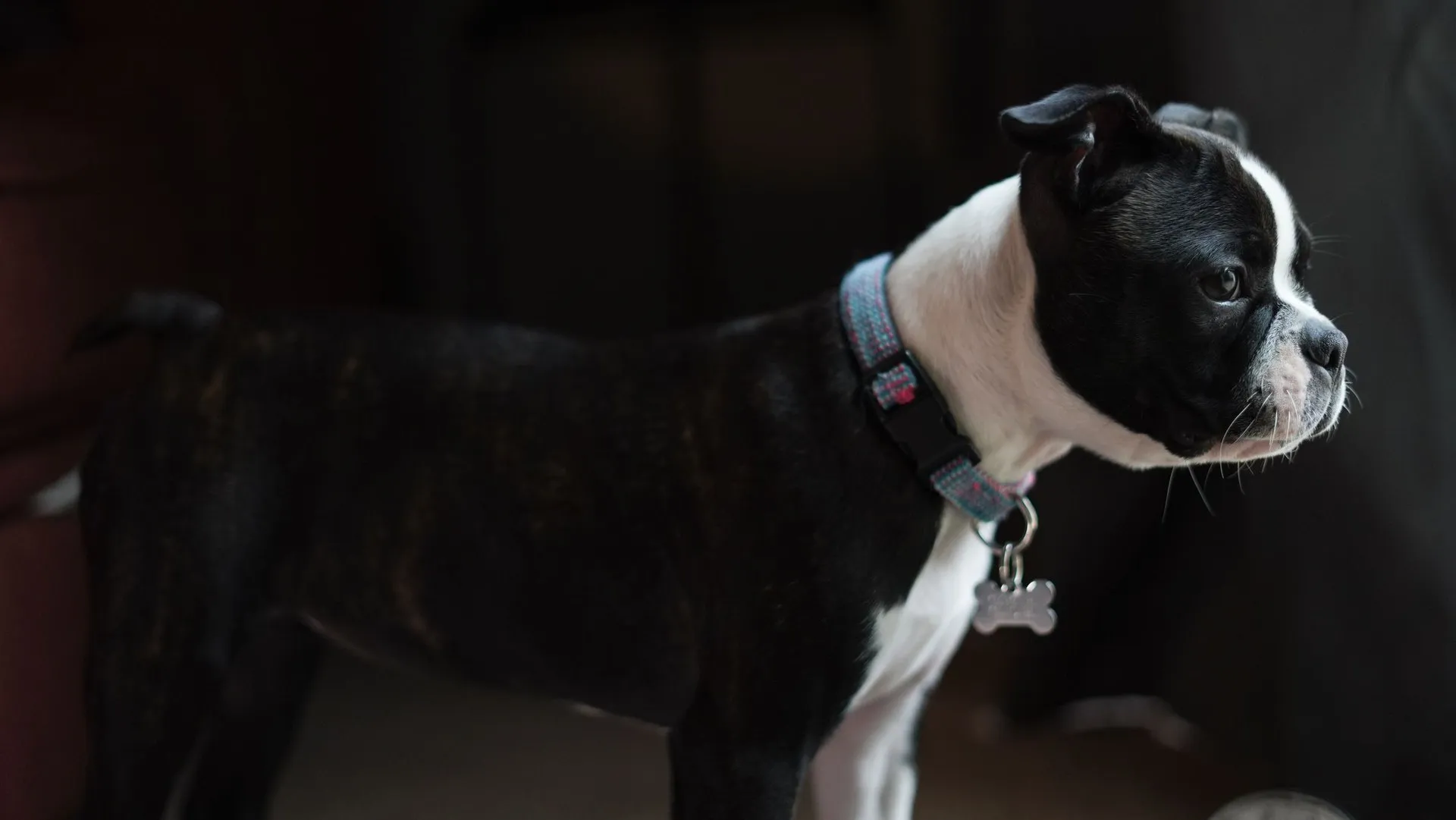
The general threshold applies to healthy dogs. Dogs with pre-existing heart or respiratory disease, brachycephalic or flat-faced breeds, very young puppies, and senior dogs can show altitude effects at moderate elevations well below 8,000 feet. Flagstaff's local emergency hospital makes the same point about how altitude affects pets in Flagstaff, noting that brachycephalic dogs, with their shorter nasal passages, are more prone to respiratory difficulty at higher elevations.
The signs to know. Excessive coughing, increased panting, increased effort to breathe, blue or pale gums, and fatigue or lethargy. Coordination problems, drooling, vomiting, and nosebleeds appear in the broader veterinary literature. Symptoms can appear within hours or take several days.
What to do if you see them. Stop the activity, get the dog to a lower elevation, and call a vet. Descending is the treatment. Flagstaff has the advantage that dropping 2,500 feet takes about forty minutes down Oak Creek Canyon.
If your dog is on the list, plan a flat first day and no strenuous hiking until you have seen how it handles a gentle walk.
3. It puts roughly a fifth more ultraviolet radiation on your dog
This is the altitude effect that actually catches people, and it is arithmetic rather than opinion.
The World Health Organization states that UV levels increase by approximately 10 percent for every 1,000 metres of elevation. Flagstaff sits at about 2,106 metres. That is roughly 21 percent more ultraviolet radiation than the same clear day at sea level, and Flagstaff averages a great deal of clear sky.
Which dogs this hurts. White and very pale dogs, dogs with thin or sparse coats, hairless breeds, dogs with pink noses, and any dog with a recently shaved patch. Ear tips, the nose, the belly, and the groin are the usual burn sites, because they carry the least fur.
What to do. Walk in tree shade where you can, which Flagstaff has in abundance since the town sits inside the largest contiguous ponderosa pine forest in the world. Use a dog-specific sunscreen on exposed pink skin, not a human product containing zinc oxide, which is toxic if licked. Do not shave a double-coated dog for the trip.
4. It dries your dog out faster than the temperature suggests
Flagstaff pairs high elevation with genuinely low humidity, a combination Discover Flagstaff describes as central to the local climate.
Why this matters more for a dog than for you. Dogs shed heat mainly by panting, and every pant evaporates water into dry air. In humid conditions that evaporation slows. In Flagstaff's dry air it does not, so a dog loses water quickly while looking perfectly comfortable, because it is not hot.
The trap is the mild temperature. Discover Flagstaff puts the summer average high at 73 degrees. That does not feel like a dehydration risk, so people carry less water than they would in Phoenix. Carry more, not less, and offer it at every stop rather than at the end.
Signs to watch for. Tacky or dry gums, thick ropey saliva, reduced skin elasticity, and lethargy. Human advice for the same climate, from the Discover Flagstaff altitude guidance, is to drink twice your normal intake. Apply the same instinct to the water bowl.
5. It swings the temperature 30 to 40 degrees in a single day
Discover Flagstaff is direct about this: dry air and high elevation mean large day-to-night swings, with early morning lows often 30 to 40 degrees cooler than afternoon highs.
The practical version. A summer afternoon at 73 degrees becomes a night at 53. A winter afternoon at 49 becomes a night at 20. Both of those are ordinary Flagstaff, not extremes.
What it changes for a dog. A dog that is fine on a patio at four in the afternoon is cold on the same patio at nine in the evening. A short-coated dog, a small dog, a senior, or a wet dog will need a coat for an evening walk in a month when the daytime felt like spring. Carry the coat in summer, not only in winter.
It also changes vehicle risk in both directions. A parked car heats dangerously in Flagstaff sun despite the mild air temperature, and cools dangerously overnight. Neither is survivable for a dog left inside.
Pack for the low, not the high. The number to plan around is the overnight figure, not the one on the forecast headline. If the afternoon reads 73 and the swing runs 30 to 40 degrees, the evening you are actually dressing your dog for is in the low fifties, and a winter version of the same day lands near 20. Deciding that in the morning, while you are packing, is easier than deciding it at nine at night outside a restaurant patio with a shivering dog.
6. It makes your dog tire faster than the mileage predicts
Even below the altitude sickness threshold, the air holds less oxygen per breath than at sea level, and a working body compensates.
What you will notice. A dog that walks five miles at home is visibly done at three or four here, particularly in the first two days. Recovery between efforts takes longer. Younger and fitter dogs mask this well until they suddenly stop.
The local emergency clinic's advice is the right one: limit strenuous activity, take frequent breaks, and keep fresh water constantly available. Build the first day around a flat, short route and save the climbs for day two or three. Flagstaff's urban trail network is ideal for that, and the surface-by-surface breakdown is in the best FUTS routes with a dog.
Add the monsoon. From July through September, afternoon thunderstorms are routine. Plan the walk for the morning, both because of lightning exposure above the treeline and because a hard rain turns cinder trails to slurry.
7. It puts you further from an open emergency vet than you expect
This is the altitude consequence nobody lists, and it is the one that matters most at two in the morning.
Flagstaff is a small mountain city surrounded by a very large amount of nothing. Its emergency capability is real but it is not continuous. The Veterinary Emergency and Specialty Center of Northern Arizona, at 1110 E. Route 66, publishes limited overnight and weekend hours rather than round-the-clock cover.
Read that alongside the day trips. Grand Canyon's South Rim is about ninety minutes away. Wupatki and Sunset Crater are forty-five. A problem that starts on a trail at the Canyon is two hours from Flagstaff's hospital before you account for the drive out of the park.
What to do about it. Save the number before you need it, check the current hours on the day you arrive rather than the day you booked, and know that Phoenix's 24-hour hospitals are more than two hours south. The full picture is in emergency and after-hours vets in Flagstaff.
The one thing altitude gives you back
It is worth ending on the trade, because the ledger is not one-sided.
Thermal contact injury to paw pads begins at air temperatures around 77 degrees, at which point asphalt reaches roughly 125 degrees. Flagstaff's summer average high is 73. The elevation that thins your air is the same elevation that keeps the ground walkable at midday in July, in a state where that is otherwise impossible.
Two hours south, Phoenix asphalt is lethal for most of the summer day. The paw-surface arithmetic, which applies to any hot-state trip, is in the seven-second paw test, and the full comparison of high-country escapes is in escaping Phoenix heat with a dog.
The seven at a glance
| # | What altitude does | What you do about it |
|---|---|---|
| 1 | Not altitude sickness, for most dogs | Nothing. Flagstaff is below the 8,000-foot threshold. |
| 2 | Moves flat-faced, senior, and heart or lung cases into risk | Flat first day, watch breathing, descend if in doubt. |
| 3 | Roughly 21 percent more UV | Shade, dog sunscreen on pink skin, do not shave. |
| 4 | Dries the dog out in dry air | Carry more water than the mild temperature suggests. |
| 5 | Swings 30 to 40 degrees day to night | Pack a coat even in summer. |
| 6 | Tires the dog faster than the mileage | Shorter routes, more breaks, mornings in monsoon season. |
| 7 | Puts you further from an open vet | Save the number, check hours on arrival. |
Frequently asked questions
Can dogs get altitude sickness in Flagstaff? It is unlikely for a healthy dog. Veterinary guidance places the onset of altitude sickness in pets above 8,000 feet, and Flagstaff sits at 6,909 feet. Dogs with heart or respiratory conditions, flat-faced breeds, puppies, and seniors can be affected at lower elevations, so those dogs need more caution.
What are the signs of altitude sickness in a dog? Excessive coughing, increased panting, increased effort to breathe, pale or blue gums, lethargy, poor coordination, drooling, vomiting, and nosebleeds. Symptoms can appear within hours or over several days.
How long does a dog need to acclimatise to Flagstaff? Most dogs need no formal acclimatisation at this elevation. Give any dog a gentle, flat first day and watch how it handles the second, then increase activity from there.
Is the sun worse for a dog in Flagstaff? Yes. UV rises about 10 percent per 1,000 metres of elevation, so Flagstaff receives roughly 21 percent more than sea level on the same clear day. Pale, thin-coated, and pink-nosed dogs burn on ear tips, nose, and belly.
Do I need to worry about hot pavement in Flagstaff? Far less than elsewhere in Arizona. Summer average highs around 73 degrees sit below the roughly 77-degree air temperature at which asphalt begins reaching paw-burn levels. Still check the surface on an unusually hot afternoon.
Should I bring a coat for my dog in summer? Yes. Early morning lows are often 30 to 40 degrees cooler than afternoon highs, so a summer evening can sit in the low 50s.
Related reading
Before a high hike: pet first aid basics, traveling with a senior dog, summer heat safety for pets, and PetCompass hotel directory.
Sources
- PetMD, can pets suffer altitude sickness
- Veterinary Emergency and Specialty Center of Northern Arizona, how altitude affects your pet's health in Flagstaff
- World Health Organization, ultraviolet radiation questions and answers
- Discover Flagstaff, Flagstaff weather and average temperatures
- Discover Flagstaff, tips to avoid altitude sickness
- National Park Service, pets at Grand Canyon National Park
- Environmental Protection Agency, the UV Index scale
- ASPCA, hot weather safety tips
- Discover Flagstaff, pet friendly Flagstaff
Elevation and climate figures are long-term averages. Clinic hours change, so confirm them directly. This article is general information and is not veterinary advice. If your dog shows breathing difficulty, contact a veterinarian.