Sep 3, 2026
Tucson Dog Rules: State, County, and City, All Three Layered
Arizona sets the floor, Pima County sets the licence fee, and Tucson runs its own leash law and two separate dangerous-dog systems. Here is the map.
Tucson, Arizona9 min readPet Care & Services
Tucson dog owners answer to three separate layers of law at once, and unlike some of the cities in this series, all three are genuinely readable. Arizona sets the statewide floor. Pima County sets its own licensing and fee ordinance on top of that floor. And the City of Tucson runs its own leash law and two separate dangerous-dog systems inside the county. This guide is the map of which layer governs which question.
Which layer answers which question
Each common question has exactly one layer that governs it, and mixing them up is the usual mistake. Here is the split.
| Question | Layer that answers it | Where the rule sits |
|---|---|---|
| Bite liability | Arizona | ARS 11-1025, strict liability |
| Rabies vaccination before licensing | Arizona | ARS 11-1010 |
| Licence fee and licensing duty | Pima County | Ordinance 6.04.070 |
| Leash inside city limits | City of Tucson | Sec. 4-97(1), six feet maximum |
| Running at large outside city limits | Arizona | ARS 11-1005(4) |
| Dangerous animal designation | City of Tucson | Sec. 4-13, administrative |
| Vicious or destructive declaration | City of Tucson | Sec. 4-7, judicial |
The state layer: Arizona Revised Statutes
Arizona's dog-bite liability statute, ARS 11-1025, is strict liability, verbatim: "The owner of a dog that bites a person when the person is in or on a public place or lawfully in or on a private place, including the property of the owner of the dog, is liable for damages suffered by the person bitten, regardless of the former viciousness of the dog or the owner's knowledge of its viciousness." Our Arizona dog bite law guide covers the full statute, including a provision found nowhere else in this series: a statutory ban on considering a dog's breed in any liability finding.
A separate statute, ARS 11-1020, covers property damage by a dog "at large," and ARS 11-1027 gives an owner a provocation defence, verbatim: "Proof of provocation of the attack by the person injured shall be a defense to the action for damages." State law also sets the licensing framework every Arizona county operates under (ARS 11-1008), the mandatory rabies-vaccination-before-licensing rule (ARS 11-1010), and a ten-day quarantine requirement for a biting animal (ARS 11-1014), the fullest bite-quarantine statute found anywhere in this project so far.
The county layer: Pima County's own ordinance
Pima County licenses every dog in the county, incorporated or not, under its own fee ordinance, Section 6.04.070. Verbatim: "An owner shall have dogs three months of age or over vaccinated against rabies and licensed. Upon moving to Pima County, an owner must comply with these vaccinating and licensing requirements within thirty days or arrival." Our Pima County dog license guide covers the full fee table and a genuine discrepancy between the county's codified ordinance and its own consumer-facing web page.
The county also runs Pima Animal Care Center (PACC), the shelter serving Tucson and the rest of the county, at 4000 N Silverbell Road. Our lost dog in Tucson and adopting a dog in Pima County guides cover PACC's own process and its own words about its current operating conditions.
The city layer: Tucson's own code
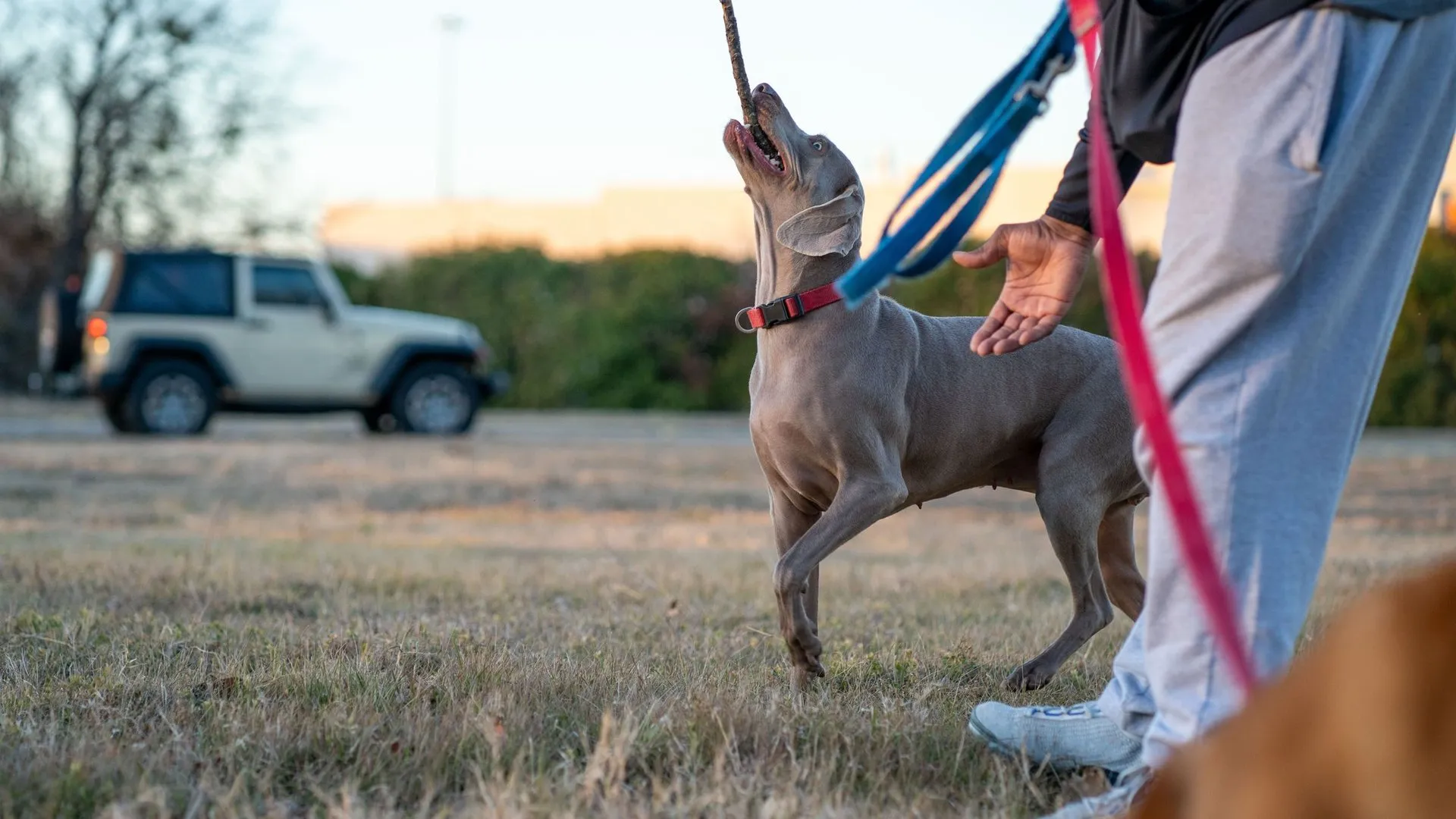
Inside Tucson's city limits, the leash law comes from the city's own code, not the county. Verbatim, Sec. 4-97(1): "It shall be unlawful for any dog owned, possessed, harbored, kept or maintained to be upon public streets, sidewalks, alleys, parks or other public property unless such dog is restrained by means of a leash, chain, rope, cord or similar device not more than six (6) feet in length." Our where dogs are not allowed in Tucson guide covers the full leash requirement and its exemptions.
Tucson also runs two separate dangerous-dog systems that this guide is careful not to conflate. Section 4-13 is an administrative "dangerous animal" designation, made by the city enforcement agent based on behavior, with no criminal conviction required. Section 4-7 is a judicial "vicious or destructive animal" declaration, made by a city magistrate only after a criminal conviction for a bite or property-damage offense. Our dangerous dogs in Tucson guide walks through both tracks and why they carry different consequences.
Why the city points at the county for its own licence fee
Tucson does not set its own dog-licence dollar figures. Verbatim, Sec. 4-82: "The license fees for altered dogs, unaltered dogs, and vicious, destructive, or dangerous dogs shall be as set by PCCO section 6.040.070." A dog licensed anywhere in Pima County, inside Tucson's city limits or in the unincorporated county, pays the same fee schedule. That single sentence is why this guide treats licensing as a county-level question even for a Tucson resident, and why our licensing guide is titled around Pima County rather than the city.
Where the leash law does not reach: unincorporated county areas
If you live outside Tucson's city limits, in an unincorporated part of Pima County, the leash and at-large rules come from state law rather than the city code. Verbatim, ARS 11-1005(4): "For the unincorporated areas of the county, by ordinance, regulate, restrain and prohibit the running at large of dogs, except dogs used for control of livestock or while being used or trained for hunting." The same statute lets the county set civil penalties up to $500 per violation for its own unincorporated-area ordinances, a separate ceiling from anything Tucson's own code sets inside city limits.
The three hot-car authorities, layered
Heat is the recurring risk in this part of the country, and Tucson genuinely has three separate legal authorities addressing an animal left in a hot vehicle, none of which fully overlaps with the others. Tucson's own code, Sec. 4-3(f), authorizes "any peace officer or county animal control officer" to use reasonable force to remove an animal from a vehicle. Arizona's criminal cruelty statute, ARS 13-2910(D), authorizes "a peace officer, animal control enforcement agent or animal control enforcement deputy" to do the same. And a separate Arizona civil statute, ARS 12-558.02, is the only one of the three that protects an ordinary member of the public, and only if the person notifies authorities before entering the vehicle and stays with the animal until they arrive. Our pets in parked cars in Tucson guide covers all three in full, since collapsing them into a single rule would misstate who is actually protected.
Emergency care sits outside all three layers, but plan for it anyway
None of the state, county, or city rules above tell you what to do if your dog actually needs urgent veterinary care, and that gap is worth filling separately, before you need it. Our emergency vets in Tucson guide covers four confirmed round-the-clock hospitals across the metro area, each backing its own claim with a matching hours panel, unlike a hospital found in an earlier city in this series whose widely repeated third-party reputation did not actually match its own posted hours panel.
Vaccination is the gate every layer shares
Regardless of which layer of government you are dealing with, one requirement sits underneath all of them: your dog must be vaccinated against rabies before it can be licensed anywhere in Arizona. Verbatim, ARS 11-1010(A): "A dog shall not be licensed unless it is vaccinated in accordance with this article and the rules adopted pursuant to this article." And the underlying obligation to comply at all is absolute, verbatim, ARS 11-1017: "It is unlawful for a person to keep, harbor or maintain a dog within the state of Arizona except as provided by the terms of this article." Every fee schedule, every exemption, and every penalty described in this guide exists inside the framework those two sentences establish.
Why a hearing officer, not just a police officer, sits at the center of enforcement
County civil penalties for unincorporated-area violations go through a hearing officer appointed under ARS 11-1006. Tucson's own administrative dangerous-animal designation goes through a hearing officer too, with the burden of proof resting on the city. And the state's own "vicious animal" declaration and any resulting euthanasia order require a justice of the peace or city magistrate, not animal control acting alone. This is a structurally different enforcement model from a jurisdiction where a single department both accuses and decides, and it shows up consistently enough across state, county, and city law here that it is worth naming as a pattern in its own right.
Put it all together: the order to handle things in
If you are new to any of this, tackle it in this order. First, license and vaccinate, since nothing else in this guide functions legally until that is done. Second, confirm whether you are inside Tucson's city limits or the unincorporated county, since the leash law and the dangerous-dog process differ depending on the answer. Third, know the three hot-car authorities before you ever need them, not after. And fourth, save an emergency vet number and know where PACC is, since both matter regardless of which layer of government is otherwise relevant to your day. None of these four steps requires waiting for a problem to arise first, and handling them in this order before you need any of them is the entire point of this guide.
Frequently asked questions
Does Tucson or Pima County set the dog licence fee? Pima County sets it. Tucson's own code explicitly adopts the county's fee ordinance rather than setting its own figures, so a dog licensed anywhere in the county pays the same schedule.
Is Arizona a strict liability state for dog bites? Yes. ARS 11-1025 holds an owner liable for a bite regardless of the dog's prior history, and separately bars any court or hearing officer from considering the dog's breed in a liability finding.
What is the difference between a "dangerous animal" and a "vicious or destructive animal" in Tucson? A dangerous animal designation under Sec. 4-13 is administrative and behavior-based, made by the city enforcement agent with no conviction required. A vicious or destructive animal declaration under Sec. 4-7 is judicial, made by a magistrate only after a criminal conviction.
Does Tucson's leash law apply on private property too? Yes. Sec. 4-97(2) separately prohibits a dog being at large on private property, including the owner's own property, unless properly confined by a fence, enclosure, or building. Tie-outs are explicitly prohibited.
Who is protected if they rescue a dog from a hot car in Tucson? It depends who is doing the rescuing. A peace officer or animal control officer is protected under both city and state law. An ordinary member of the public is protected only under a separate state civil statute, and only if they notify authorities first and stay with the animal until help arrives.
Do I need a separate licence if I move to Pima County from elsewhere in Arizona? Not if your dog already has a current licence from any Arizona jurisdiction, per the county's own ordinance exception. Otherwise you must comply with vaccination and licensing requirements within thirty days of arrival.
Sources
- Arizona State Legislature, ARS 11-1025
- Arizona State Legislature, ARS 11-1005
- Arizona State Legislature, ARS 12-558.02
- Arizona State Legislature, ARS 13-2910
- Arizona State Legislature, ARS 11-1006
- Arizona State Legislature, ARS 11-1010
- Arizona State Legislature, ARS 11-1017
- Tucson City Code, Chapter 4 Animals, codelibrary.amlegal.com
- Pima County Code, Chapter 6.04, codelibrary.amlegal.com
No Municode-hosted Tucson ordinance text, Arizona Department of Agriculture content, or Arizona Humane Society content could be verified at source. Nothing from those hosts is cited above.